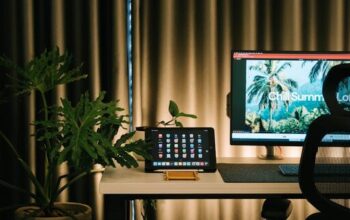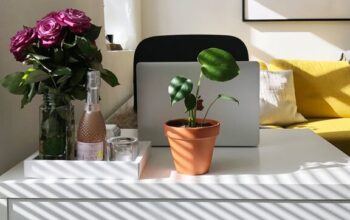
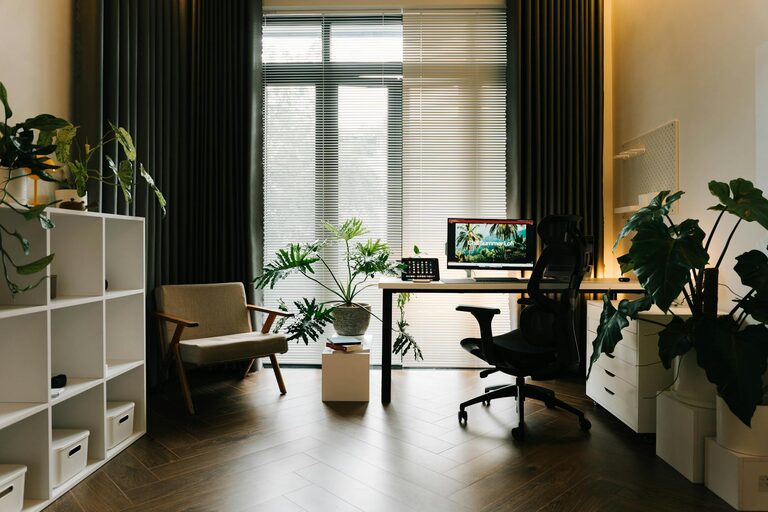
Creating a cozy and inviting home office space can make a big difference in your daily work routine. Whether you are working remotely full-time, freelancing, or just need a dedicated spot for occasional tasks, a well-designed workspace helps improve focus and motivation. In this post, we will share practical tips to help you transform your home office into a comfortable, inspiring environment.
Why a Cozy Home Office Matters
Your home office is more than just a spot to put your laptop. It’s where ideas are born, tasks get done, and often where work-life balance is maintained. A cozy and inviting space encourages you to spend time there without feeling drained or stressed. It can reduce distractions and even enhance creativity.
Choose the Right Location
Find Natural Light
If possible, select a spot near a window. Natural light has been shown to boost mood and energy, making it easier to stay focused. Position your desk so that the light hits your workspace without causing glare on your screen.
Consider Noise Levels
Try to find a quiet area away from household noise. If this isn’t possible, noise-cancelling headphones or calming background music can help maintain concentration.
Select Comfortable and Functional Furniture
Invest in a Good Chair
One of the most important aspects of your home office is a comfortable chair with good back support. You’ll spend many hours sitting, so prioritize ergonomics to prevent discomfort and improve posture.
Use a Desk That Fits Your Needs
Choose a desk that offers enough surface area for your computer, notebooks, and other necessary tools. Adjustable desks that allow you to alternate between sitting and standing are a great option for better health.
Personalize Your Space with Cozy Touches
Add Soft Textiles
Incorporate cushions, a cozy throw blanket, or an area rug to soften the space and add warmth. These elements help create an inviting atmosphere that feels less sterile.
Bring in Plants
Plants can brighten the room, improve air quality, and increase feelings of well-being. Choose low-maintenance varieties like succulents or pothos if you’re new to plant care.
Organize to Minimize Clutter
Use Storage Solutions
Keep your desk tidy with drawers, shelves, or storage boxes. A clutter-free workspace reduces distractions and helps you stay productive.
Create a System
Designate specific places for papers, supplies, and devices. Labeling storage containers or shelves can make it easier to find and store items quickly.
Optimize Lighting for Comfort and Productivity
Layer Your Lighting
Use a combination of natural light, overhead lighting, and task lighting to reduce eye strain. A good desk lamp with adjustable brightness can help focus on detail work.
Choose Warm Light Bulbs
Warm or soft white bulbs create a relaxing atmosphere compared to harsh, cool lighting, which can feel clinical.
Make It Your Own
Display Inspiring Items
Add a few personal touches like photos, artwork, or motivational quotes to create a space that reflects your personality and keeps you inspired.
Use Calming Colors
Soft, neutral, or pastel colors are known to promote calm and concentration. Avoid overly bright or distracting hues unless they genuinely boost your mood.
Maintain Comfort with Temperature and Airflow
Keep the room temperature comfortable. Use a fan, heater, or open a window as needed to ensure fresh air circulation, which can help you stay alert and focused.
Technology Setup Tips
Position Screens Properly
Ensure your computer screen is at eye level and about an arm’s length away to reduce neck strain and eye fatigue.
Manage Cables
Use cable organizers to keep cords neat and prevent tangling. A clean workspace allows for easier cleaning and less risk of damage.
Establish Boundaries for Work and Relaxation
If your home office is also part of your living space, consider ways to separate work time from personal time. Closing a door, using a room divider, or simply putting away work materials at the end of the day can help maintain balance.
Final Thoughts
Creating a cozy and inviting home office doesn’t require a big budget or extensive renovations. Small changes like improving lighting, adding soft textures, and organizing efficiently can turn any space into a comfortable place where work feels less like a chore. Take the time to design a workspace that supports your needs and reflects your style — your productivity and well-being will thank you!