
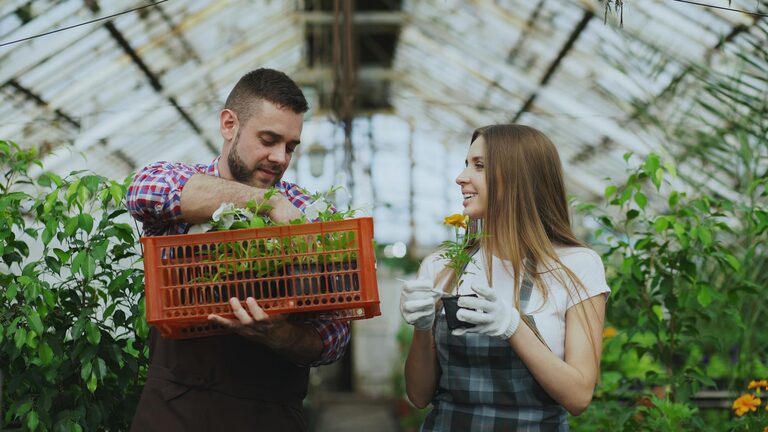
Creating a sustainable home garden is a rewarding way to enjoy fresh produce, support local wildlife, and reduce your environmental footprint. By designing your garden to thrive year-round, you can make the most of your space and resources, no matter the season. In this guide, we’ll explore practical tips to help you cultivate a sustainable garden that provides benefits throughout the entire year.
Why Choose a Sustainable Garden?
Sustainable gardening focuses on methods that conserve water, improve soil health, minimize waste, and promote biodiversity. This approach leads to healthier plants, reduces the need for chemical pesticides or fertilizers, and lowers your impact on the planet.
Maintaining sustainability in a garden year-round means adapting to seasonal changes, selecting the right plants, and using eco-friendly practices. Let’s look at how to achieve that.
Plan Your Garden with Sustainability in Mind
Assess Your Space and Climate
Start by observing your garden’s space and microclimates (areas that differ in sunlight, wind, and moisture). Choose native or well-adapted plants that thrive naturally in your region, which require less water and care.
Design for Continuous Harvest
Plan for a rotating planting schedule with a mix of annuals, perennials, and seasonal crops. This ensures something is growing and producing throughout the year without exhausting the soil.
Incorporate Companion Planting
Use companion planting to naturally repel pests and enhance growth. For example, marigolds can deter some insects, while beans can enrich the soil with nitrogen.
Improve and Maintain Healthy Soil
Compost Regularly
Create and use your own compost to recycle kitchen scraps and garden waste. Compost enriches the soil with nutrients and improves its structure, helping plants grow strong and resist disease.
Practice Crop Rotation
Changing what you plant in each spot every season or year reduces pest buildup and nutrient depletion. Rotate between different plant families like leafy greens, root vegetables, and legumes.
Use Mulch to Conserve Water
Apply organic mulch such as straw or shredded leaves around plants to keep moisture in the soil, reduce weeds, and improve soil fertility as it breaks down.
Conserve Water Efficiently
Choose Drought-Tolerant Plants
Select plants suited to your climate that need less water, such as native grasses, herbs, or succulents, especially for parts of your garden that get lots of sun.
Install Rainwater Harvesting
Capture rainwater using barrels or larger containers to irrigate your garden. This reduces dependence on tap water and saves money.
Water Wisely
Water plants in the early morning or late evening to reduce evaporation. Use drip irrigation or soaker hoses to deliver water directly to the roots, minimizing waste.
Extend the Growing Season
Use Cold Frames and Row Covers
Cold frames and row covers protect plants from frost and wind, allowing you to start seedlings early in spring and extend harvests into late fall or winter.
Grow Indoors or in Containers
Bring potted plants inside or use windowsills with sunlight to grow herbs and small vegetables year-round.
Select Slow-Growing and Hardy Varieties
Choose plant varieties known for longer harvest periods or tolerance to cold weather to maximize your garden productivity.
Promote Biodiversity and Natural Pest Control
Create Habitats for Beneficial Insects
Plant flowers that attract pollinators like bees and butterflies, and provide shelter for ladybugs and lacewings that prey on harmful pests.
Avoid Chemical Pesticides and Fertilizers
Opt for organic alternatives and encourage natural pest controllers instead of chemicals that harm beneficial organisms and pollute the environment.
Incorporate Trees and Shrubs
Trees and shrubs provide shade, improve air quality, and support wildlife such as birds and beneficial insects, contributing to a balanced garden ecosystem.
Practice Responsible Garden Maintenance
Collect and Reuse Seeds
Save seeds from your healthiest plants to grow in the following seasons. This conserves resources and allows you to nurture local varieties adapted to your area.
Reduce Waste
Reuse containers, plant supports, and garden tools whenever possible. Recycle garden debris through composting or green waste programs.
Stay Informed and Adjust
Observe how your garden responds to changes and adjust your practices accordingly. Share knowledge with fellow gardeners to improve sustainability practices.
Conclusion
By thoughtfully planning, conserving resources, and encouraging biodiversity, your home garden can flourish sustainably all year long. Whether you have a small balcony or a large backyard, integrating these tips allows you to grow healthy plants, support the environment, and enjoy the satisfaction of cultivating your own green space season after season.
Start small, stay consistent, and watch your sustainable garden grow!